Preventing Falls at Home: What to Look For and What Can Help
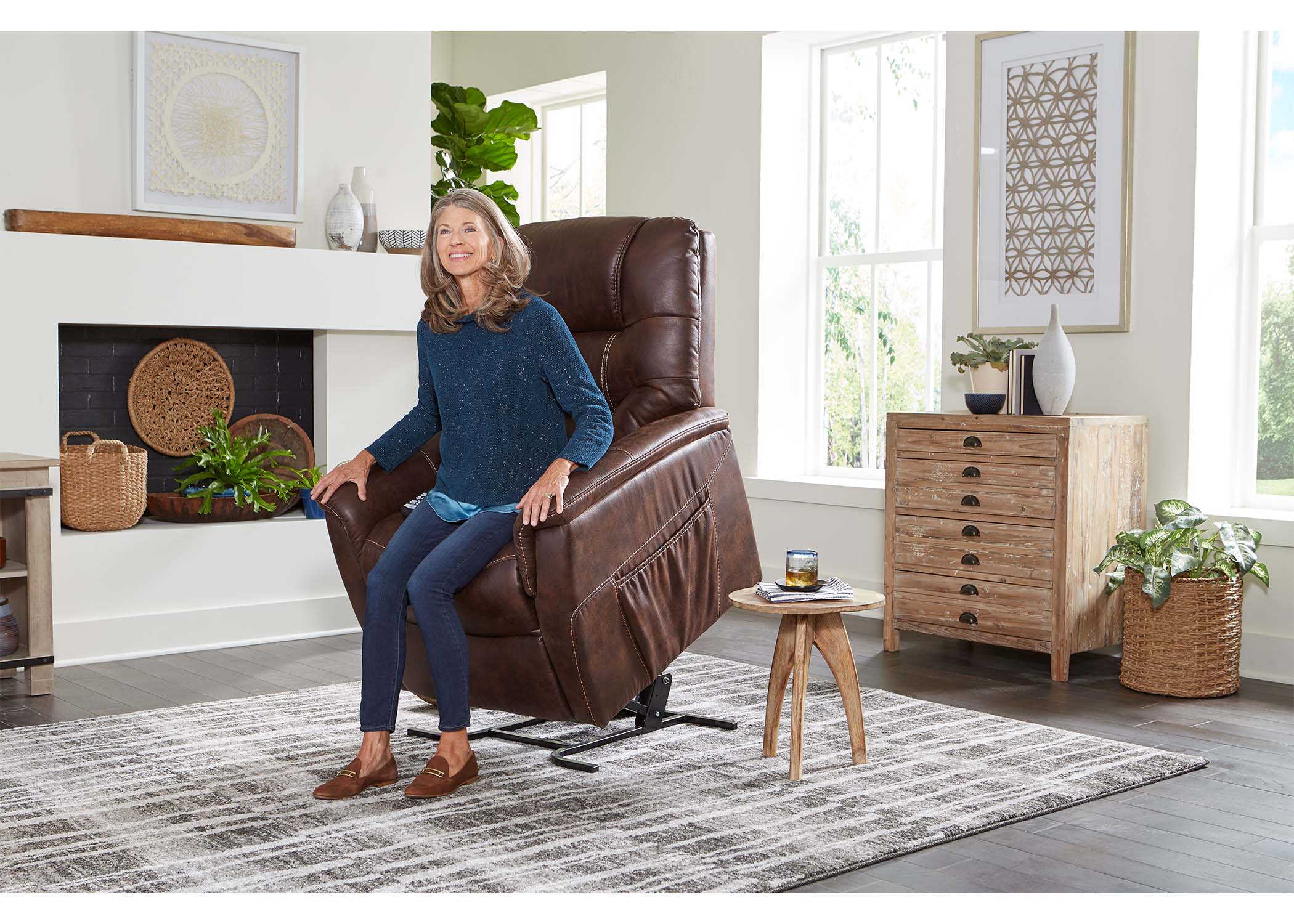
Falls are often treated as an unavoidable part of getting older. They’re not.
For older adults, a fall can have serious consequences, but many falls are connected to changes in strength, balance, vision, mobility, medications or the home environment. Recognizing those changes early can create an opportunity to make adjustments before a fall happens.
This is especially important in Wisconsin. In 2023, Wisconsin had the highest rate of fall-related deaths in the nation among adults age 65 and older. In 2024, more than 1,800 Wisconsin residents age 65 and older died from fall-related injuries, while falls also resulted in more than 55,000 nonfatal emergency room visits and 12,000 hospitalizations.
Preventing falls at home doesn’t necessarily mean making major changes to a house. Often, it starts with noticing what has become difficult and finding practical ways to make those activities safer.
Look Beyond the Obvious Fall Hazards

Most people know that loose rugs, clutter and other tripping hazards can increase the risk of a fall. Removing those hazards is a good place to start, but home safety for seniors involves more than keeping walkways clear.
Pay attention to changes in everyday activities. Is getting in or out of the shower becoming more difficult? Are stairs starting to feel like a challenge? Is it harder to get up from a chair or out of bed? Are you beginning to hold onto furniture while walking through the house?
These changes can be easy to dismiss, particularly when they happen gradually, but they can be signs that something has changed — and that your home may need to change with you.
Don’t Assume Stumbling Is “Just Part of Getting Older”
An occasional stumble or loss of balance may seem insignificant. But instead of simply accepting it as part of aging, ask a different question: Why did this happen, and what could be changed?
A stumble or fall can sometimes be connected to strength, balance, vision, medication, mobility or something in the environment. Identifying the reason can help determine what, if anything, needs to be addressed.
You don’t have to wait until you’ve experienced a fall to start making changes. Preventing falls at home is often about addressing smaller challenges before they become bigger problems.

Start With What’s Becoming Difficult
If you’re concerned about your own safety at home or you’re noticing changes in a parent’s or loved one’s mobility, start by looking at activities rather than simply walking through the house looking for hazards.
Ask questions such as:
- How do you get in and out of the shower?
- How do you get on and off the toilet?
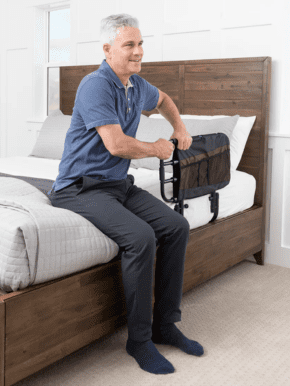
- How do you get in and out of bed?
- How do you get up and down the stairs?
- How do you move around when you’re carrying something?
These questions can reveal potential problems that aren’t necessarily obvious when you’re simply walking around the home.
Once you’ve identified an activity that’s becoming difficult, consider when and where the problem occurs and what part of the activity is challenging. That information can help point toward a solution.
For example, if you’re noticing incidents more commonly occurring at night, it could be an indication that you’re fatigued or unable to clearly see the dangers. The solutions you would then look for would be different based on this information.
Make Bathroom Safety a Priority
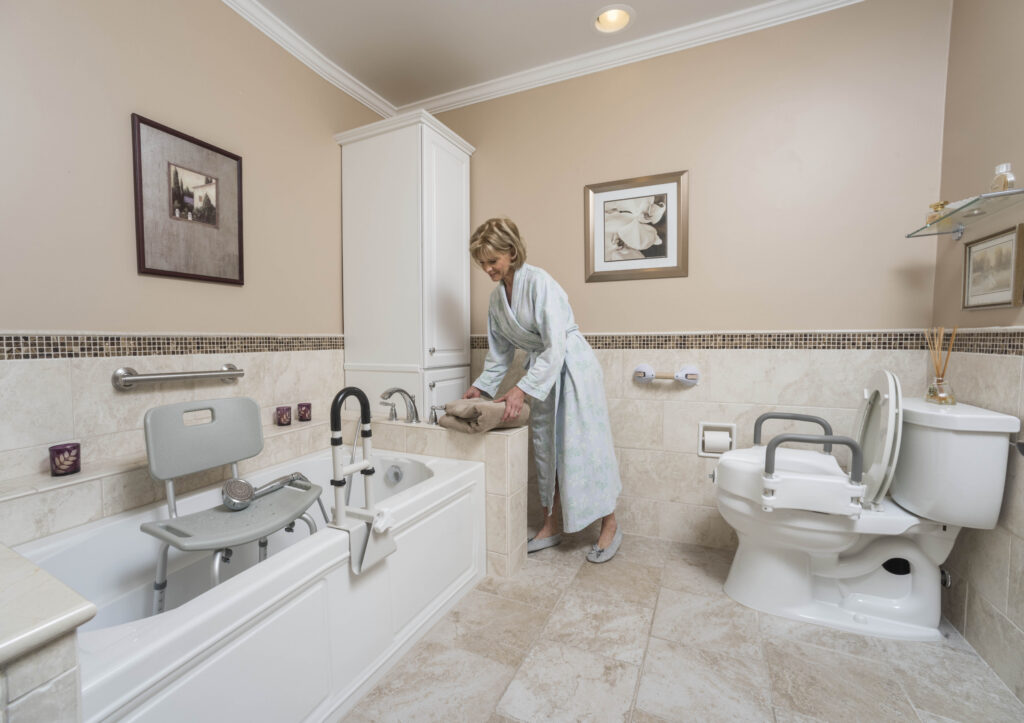
Bathrooms are a particularly important area to consider when looking at home fall hazards. They combine water, hard surfaces, transfers and tight spaces — all of which can make a loss of balance more difficult to recover from.
One common challenge is stepping over the side of a traditional bathtub. Depending on the individual and the bathroom, there may be several ways to address the problem without completely remodeling the space.
Options may include:
Grab bars: Properly installed grab bars can provide support when getting into or out of the shower or tub. A towel rack is not a substitute for a grab bar and should not be used for support.
Shower benches or chairs: Sitting while showering can help someone who has difficulty standing for extended periods or feels unsteady in the shower.
Tub cuts or accessible showers: Modifying the tub or transitioning to a more accessible shower can eliminate or reduce the need to step over a high tub wall.
The right solution depends on a person’s specific needs and the layout of the bathroom. By addressing the particular activity that’s creating difficulty, you’ll create a safer space without an unnecessary financial burden.
Address Stairs and Other Changes in the Home
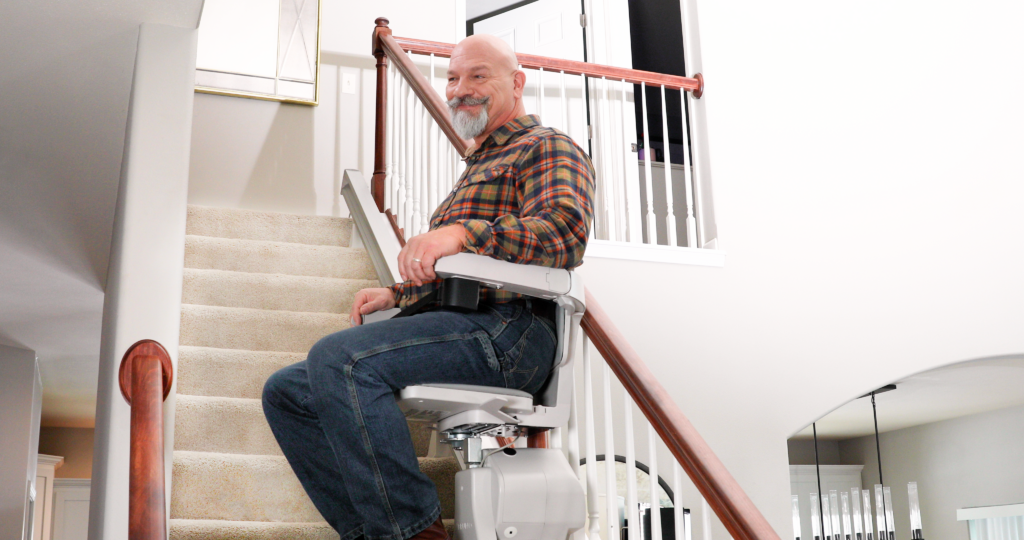
Stairs can become another significant challenge as mobility or strength changes. The best solution depends on what’s making the stairs difficult.
For someone who has trouble navigating an entire staircase, a stairlift may provide a safer way to move between floors. A single step that is too high or narrow may be better addressed by modifying the step itself.
For someone who uses a wheelchair or walker, a ramp may be a more appropriate solution for navigating changes in elevation while a vertical platform lift can be the right pick when there is not space for a ramp.
These types of home modifications can be useful for both temporary and long-term needs. Someone recovering from an injury or surgery may need a solution for a limited period, while someone experiencing a permanent change in mobility may need a more lasting modification.

Consider Whether the Right Mobility Equipment Could Help
Sometimes the challenge isn’t the home itself. It may be that someone needs additional support to move safely through it.
If you’re wondering whether a walker or rollator is appropriate, it’s important to talk with a doctor or other qualified professional. Walkers and rollators aren’t interchangeable, and the right device depends on the type of mobility issue a person is experiencing. Size, style and features can also vary considerably.
There’s another situation worth considering: someone who can technically walk but becomes increasingly tired or unsteady after being on their feet for a while.
In that case, the goal isn’t necessarily to help the person walk farther. It may be more appropriate to reduce fatigue and instability. For some people, a scooter or power wheelchair can provide a way to navigate larger spaces and participate in activities without becoming exhausted.
Fall Prevention Takes More Than Equipment
Home modifications and mobility equipment can be an important part of preventing falls at home, but they’re only one piece of the picture.
It’s important to talk with a doctor about concerns related to balance, strength, stability, vision, medications or other changes that could contribute to fall risk. Community-based fall prevention programs can also be a valuable resource. Programs such as Stepping On and Bingocize® are offered through local Aging and Disability Resource Centers (ADRCs).
Fall prevention is a team effort. A safer home, appropriate equipment and attention to underlying health or mobility concerns can all work together to help reduce risk.

Start With One Question
If you’re not sure where to begin, don’t feel like you need to address every potential fall risk at once.
Start with one simple question:
What’s becoming difficult?
Maybe it’s getting out of the shower. Maybe it’s climbing the stairs. Maybe it’s getting up from a chair, carrying something while walking or simply staying steady after you’ve been on your feet for a while.
Identify the activity, when and where the difficulty happens, and what part of it is causing the problem. From there, you can begin to determine whether the environment can be changed, whether equipment could help, or whether an underlying issue should be discussed with a healthcare provider.
Small changes can make a meaningful difference. The goal shouldn’t be to change everything about the way someone lives, but rather to find practical ways to help them continue doing the things that matter, as safely and independently as possible.
Make Home Safer
Let’s find a solution that fits your needs.
From home modifications to mobility equipment, HME can help you explore options based on what’s becoming difficult.