What Is Disability Equipment? A Guide to Products That Support Independence

When people hear the term disability equipment, they often think of wheelchairs. While wheelchairs are certainly an important category, disability equipment includes a much broader range of products designed to help people live safely, comfortably, and independently.
Whether you’re recovering from surgery, managing a chronic condition, adapting to changing mobility needs, or helping care for a loved one, the right equipment can make everyday activities easier and more accessible.
Our goal isn’t simply to provide assistance with equipment, it’s to help people maintain their independence, confidence, and quality of life.
What is Disability Equipment?
Disability equipment refers to products and devices that help individuals perform daily activities when mobility, strength, balance, endurance, or other physical abilities are limited.
Some people use disability equipment temporarily during recovery from an injury or surgery. Others may use it long-term due to aging, illness, or a permanent disability.
The specific equipment needed varies from person to person, but the purpose remains the same: reducing barriers and making daily life safer and more manageable.
Mobility Equipment
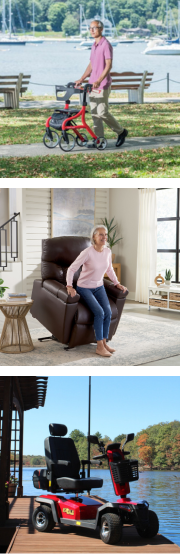
One of the most common categories of disability equipment is mobility equipment.
These products help people move safely and confidently while reducing the risk of falls and fatigue.
Common mobility products include:
- Canes
- Crutches
- Walkers
- Rollators
- Manual wheelchairs
- Power wheelchairs
- Mobility scooters
The right mobility solution depends on factors such as strength, balance, endurance, lifestyle, and the environments where the equipment will be used.
For some individuals, a simple cane provides enough support. Others may benefit from a wheelchair or mobility scooter that allows them to travel longer distances comfortably.
Bathroom Safety Equipment
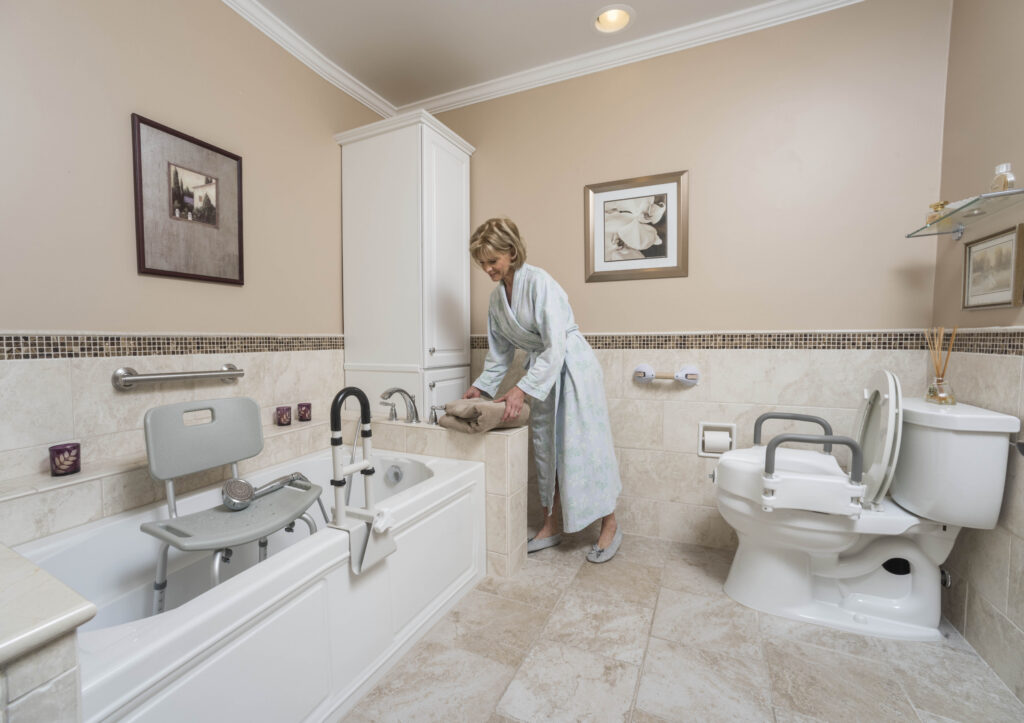
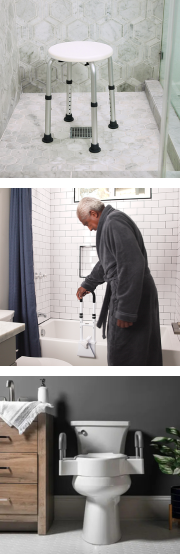
Bathrooms are one of the most common locations for household falls. Disability equipment designed for bathroom safety can help reduce risks while making bathing and toileting more comfortable.
Popular bathroom safety products include:
- Grab bars
- Shower chairs
- Transfer benches
- Raised toilet seats
- Toilet safety frames
- Handheld shower systems
These solutions can provide stability and support while helping individuals maintain as much independence as possible.
Home Accessibility Solutions
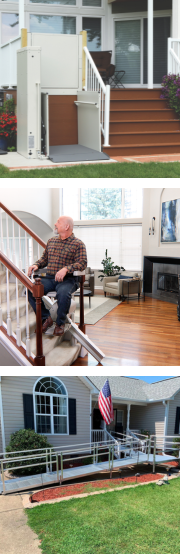
Sometimes improving accessibility involves modifying the home environment rather than relying solely on portable equipment.
Home accessibility solutions can help people navigate their homes more safely and comfortably.
Examples include:
- Wheelchair ramps
- Stair lifts
- Vertical platform lifts
- Ceiling lift systems
- Entryway modifications
- Accessible bathroom renovations
These improvements can make a significant difference for individuals who wish to remain in their homes despite changing mobility needs.
For many families, accessibility modifications are an important part of aging in place.
Lift Chairs and Patient Transfer Equipment
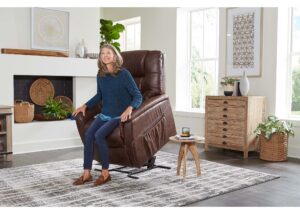
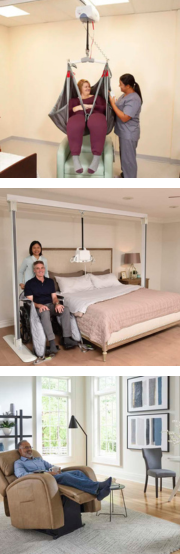
Standing up from a chair can become difficult due to weakness, joint pain, balance concerns, or other mobility limitations.
Lift chairs provide powered assistance that helps users move from a seated position to standing with less effort.
For individuals requiring greater assistance, patient transfer equipment may also be beneficial.
Examples include:
- Portable patient lifts
- Ceiling track lift systems
- Transfer slings
- Transfer boards
These products help make transfers safer for both users and caregivers while reducing the risk of injury.
Hospital Beds and Bedroom Safety Equipment
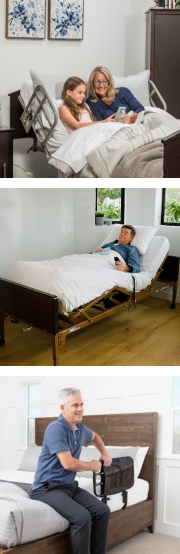
For individuals recovering from illness, managing complex medical conditions, or requiring long-term care, specialized bedroom equipment can improve comfort and safety.
Common options include:
- Hospital beds
- Bed rails
- Overbed tables
- Pressure-relief mattresses
- Positioning cushions
Adjustable positioning can improve comfort, support caregiving activities, and make it easier to get in and out of bed.
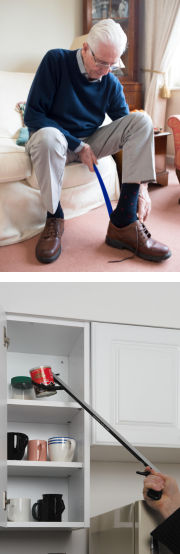
Daily Living Aids
Not all disability equipment is large or complex. Some of the most helpful products are simple tools designed to make everyday tasks easier.
Daily living aids may include:
- Reachers and grabbers
- Dressing aids
- Sock aids
- Long-handled shoehorns
- Adaptive eating utensils
- Medication organizers
These products can help individuals continue performing everyday activities independently while reducing frustration and physical strain.
Who Can Benefit from Disability Equipment?
Disability equipment serves a wide range of individuals and circumstances.
You may benefit from disability equipment if you are:
- Recovering from surgery
- Recovering from an injury
- Managing arthritis or joint pain
- Living with a neurological condition
- Experiencing balance concerns
- Managing a chronic illness
- Adapting to age-related mobility changes
- Caring for a family member at home
The need for equipment doesn’t always mean a permanent change in mobility. Many people use equipment temporarily during recovery and discontinue use when they regain strength and function.
How to Choose the Right Disability Equipment
Selecting disability equipment isn’t always as simple as choosing a product online.
The right solution depends on several factors, including:
Your Mobility Goals
Consider what activities you’d like to perform more safely or independently.
Your Home Environment
Doorways, hallways, bathrooms, and outdoor surfaces can all influence which equipment will work best.
Your Physical Abilities
Strength, balance, endurance, and range of motion play an important role in determining appropriate equipment.
Caregiver Needs
If family members or professional caregivers provide assistance, their safety and physical abilities should also be considered.
Working with experienced equipment specialists can help ensure you select products that fit your specific needs rather than a one-size-fits-all solution.
Disability Equipment Can Help You Stay Independent
The right disability equipment can make a meaningful difference in everyday life. From mobility aids and bathroom safety products to lift systems and home accessibility solutions, these tools are designed to help individuals remain active, safe, and independent.
Every person’s situation is unique, which is why finding the right equipment starts with understanding your needs and goals. Whether you’re recovering from an injury, managing a long-term condition, or helping care for a loved one, exploring available disability equipment options can be an important step toward greater confidence and independence.

Find Disability Equipment That Fits Your Life
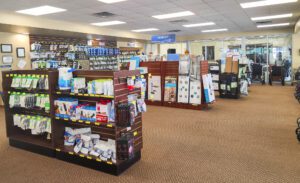
Whether you’re looking for mobility aids, bathroom safety products, patient lifts, home accessibility solutions, or everyday living aids, HME Home Medical can help. Visit our Green Bay or Manitowoc showroom to explore disability equipment options and receive personalized guidance from a team committed to helping you live more safely and independently.