Compression Socks Explained: What Do 15–20, 20–30, and 30–40 mmHg Mean?

There are many reasons a healthcare provider may suggest compression garments. For some folks, compression socks can help with swelling and fluid retention. For others, they can help with the “jumpy” feeling of restless leg syndrome. Patients with veinous insufficiency can feel some relief with properly fitted compression garments.
If you’ve received a recommendation from your healthcare provider to get compression socks and have started to shop, you’ve probably noticed numbers like 15-20, 20-30, or 30-40 mmHg on the packaging. What do those numbers actually mean, and how do you know which level is right for you?
Understanding compression levels, garment styles, and proper fit can help you make more informed decisions about your care.
What are compression socks and how do they work?
Compression socks and stockings are specially designed garments that apply controlled pressure to the legs. Most medical compression stockings, like the Dynaven products by Sigvaris carried by HME Home Medical, use graduated compression, meaning they provide the greatest amount of pressure around the ankle, with gradually decreasing pressure farther up the leg.
This design helps support blood flow back toward the heart and can help manage swelling caused by fluid buildup in the lower extremities.
Compression garments are commonly used to help manage:
Swelling in the feet, ankles, and legs (edema)
Varicose veins and associated discomfort
Chronic venous insufficiency
Lymphedema
Certain types of post-surgical swelling
Leg fatigue or heaviness associated with prolonged sitting or standing
The appropriate garment and compression level depend on the individual’s medical needs, which is why choosing the right product is important.

Understanding compression levels: What does mmHg mean?
Compression strength is measured in millimeters of mercury (mmHg), the same unit used to measure blood pressure. The number indicates how much pressure the garment applies.
Generally, a higher mmHg number means stronger compression. However, more compression isn’t necessarily better. The right level depends on your condition, medical history, and healthcare provider’s recommendations.
Here is an overview of three commonly available compression levels.

15-20 mmHg: Light to Moderate Compression
This level provides a lower degree of compression and is often used for everyday support and comfort.
Common uses include:
Supporting tired, achy, or heavy legs
Managing minor swelling
Providing support during prolonged periods of sitting or standing
Additional support during travel
Helping manage mild symptoms associated with varicose veins
For many people, this level offers a comfortable introduction to compression garments.
At HME, select 15–20 mmHg knee-high, thigh-high, and pantyhose styles are available without a prescription. These products are not eligible for insurance billing.

20-30 mmHg: Moderate Compression
This is a commonly prescribed level of medical compression. It provides a moderate amount of compression and is often recommended for people managing ongoing circulation-related symptoms.
Common uses include:
Varicose veins with associated swelling
Mild to moderate edema
Chronic venous insufficiency
Certain post-surgical recovery needs
Management of post-thrombotic syndrome
Support following certain vein procedures
Because this level provides stronger compression, it’s important to follow your healthcare provider’s recommendations regarding the appropriate garment. At this level, it is also crucial to get the correct fit to support your health issues and avoid any problems from ill-fitting garments. HME Home Medical requires a prescription to dispense this level of compression.

30-40 mmHg: Firm Compression
This level provides stronger compression and is generally used for more advanced medical needs under healthcare provider supervision.
Common uses include:
Moderate to severe lymphedema
More significant or persistent swelling
Certain venous conditions
Management of some venous ulcers
Certain post-surgical or orthopedic recovery needs
A prescription is required for this compression level at HME. Your healthcare provider should determine whether this strength is appropriate for your condition.
Important Reminder: These are general examples for educational purposes — not a guide for choosing your own compression level. Your healthcare provider should determine which strength is appropriate for you.

Compression socks vs compression stockings: Is there a difference?
Although the terms are often used interchangeably, compression garments come in several styles and lengths to accommodate different needs.
Some common options include:
Knee-high compression socks: Extend from the foot to just below the knee. These are among the most common styles and may be appropriate for people who need compression in the lower legs.
Thigh-high compression stockings: Extend from the foot up the thigh, providing compression over a larger area.
Compression pantyhose: Provide compression through both legs and the waist.
Arm sleeves and compression garments: Designed to provide compression for the arms or other areas of the body, often for people managing lymphedema.
Wrap-style compression garments: Adjustable garments that can be particularly useful for certain lymphedema management needs. These require a prescription at HME.
The best style depends on where swelling or other symptoms occur, your medical needs, and which garment you can comfortably wear throughout the day.
Why proper compression garment fitting matters
When it comes to compression garments, getting the right compression level is only part of the equation. Proper sizing and fit are equally important.
Compression garments that are too loose will not provide the intended pressure, while garments that are too tight can cause discomfort or other problems. In severe cases, garments that fit too tightly can actually cause medical issues including damage to lymph nodes.
A professional fitting helps ensure that:
Measurements are accurate and appropriate for the garment.
The compression level matches your healthcare provider’s recommendations.
The garment sits properly without bunching, rolling, or creating uncomfortable pressure points.
You understand how to put on, remove, and care for your garment.
Measurements are often best taken earlier in the day, when swelling is typically at its lowest. This can help improve sizing accuracy.
It’s also important to pay attention to how your garment feels. Compression should feel snug, but it should not cause pain, numbness, tingling, or changes in skin color. If you experience these symptoms, remove the garment and contact your healthcare provider.
People with certain circulation conditions, reduced sensation, fragile skin, or other medical concerns may need additional evaluation before using compression garments. Always discuss your individual needs with your healthcare provider.
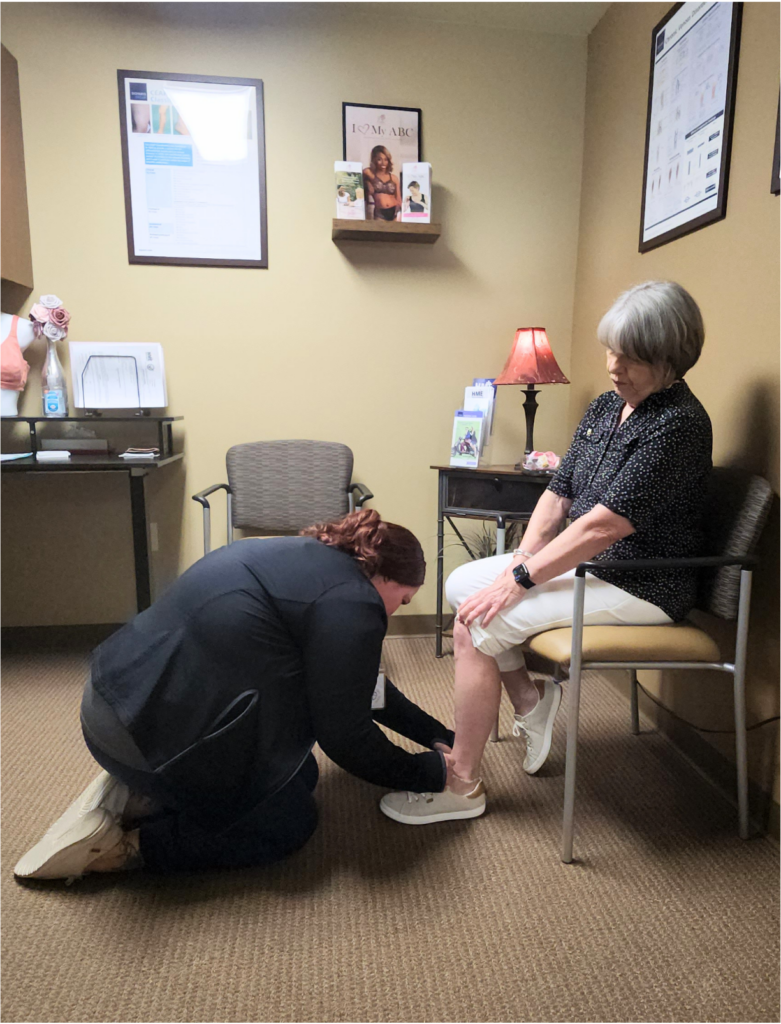
HME Home Medical offers complimentary compression measurements for our patients. Appointments are encouraged, but not required and can be done at any of our store locations.
How often should you replace compression socks?
Compression garments gradually lose elasticity with regular use and washing. Over time, they may no longer provide the intended level of support.
How often you should replace your garments depends on the product, how frequently you wear them, and how well you care for them.
To help maintain your garments:
Follow the manufacturer’s washing and care instructions.
Avoid excessive heat when washing or drying.
Rotate between multiple pairs when possible.
Check for signs of wear, stretched fabric, or reduced elasticity.
Follow your healthcare provider’s recommendations for replacement.
If your garment becomes difficult to put on, no longer fits properly, or seems to have lost its support, it may be time to be refitted or explore a replacement.
Find the Right Compression Fit at HME Home Medical
Finding the right compression garment doesn’t have to be overwhelming. Whether you’re new to compression or replacing a garment you’ve worn for years, having knowledgeable professionals guide you through the process can make a difference.
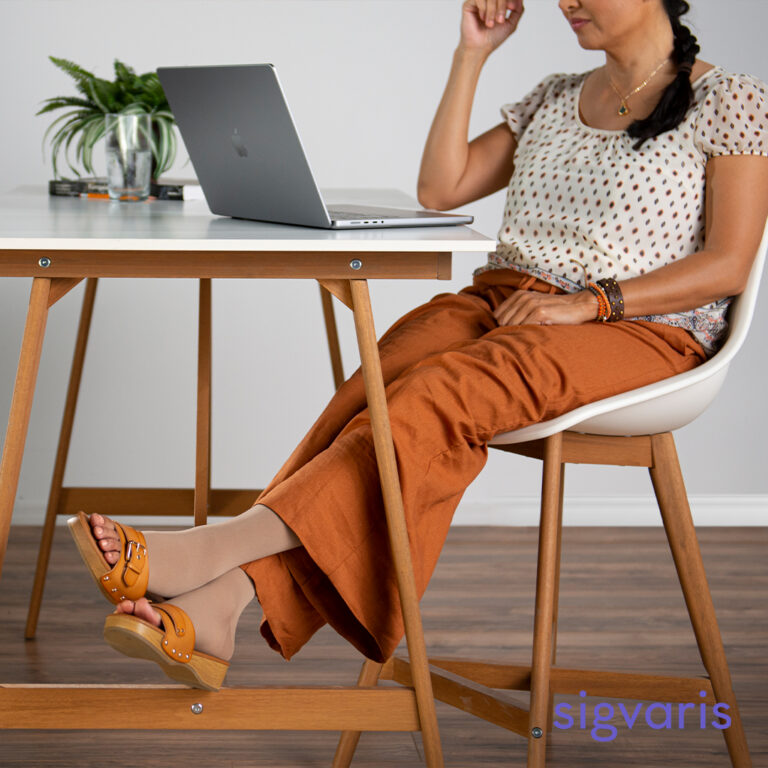
At HME Home Medical, our certified compression fitters provide personalized fittings at both our Green Bay and Manitowoc locations. We carry a variety of compression solutions from Sigvaris, including knee-high, thigh-high, and pantyhose stockings, arm sleeves, and specialty garments for lymphedema management.
Our team can help you navigate sizing, garment options, compression levels, and insurance questions. We also offer assistance with coordinating prescriptions when needed.
Ready to find the right fit?
Visit HME Home Medical in Green Bay or Manitowoc to speak with one of our certified compression fitters. Appointments are encouraged for a full fitting experience, and walk-ins are welcome.