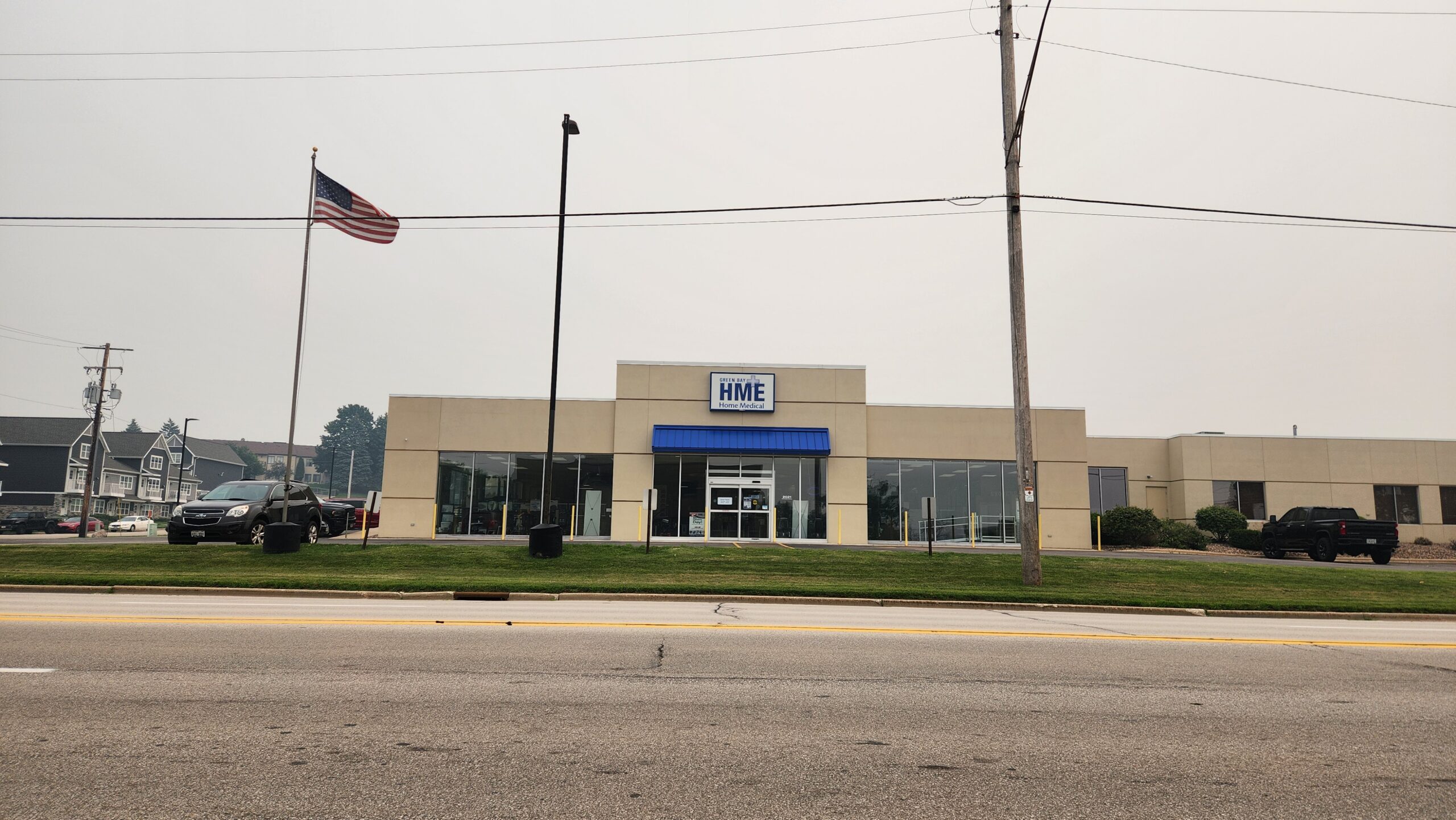
Canadian wildfire smoke has once again drifted into Northeast Wisconsin, creating poor air quality across the region. When smoky conditions are paired with high temperatures and humidity, they can make spending time outdoors uncomfortable, and even unhealthy, for people of all ages.
While individuals with asthma, COPD, or heart disease face the greatest risks, poor air quality can affect anyone. Knowing when to limit outdoor activities and how to protect yourself can help reduce your exposure.
According to Katie Holinka, Respiratory Therapy Manager at HME Home Medical, poor air quality isn’t just a concern for people with existing respiratory conditions.
“When wildfire smoke combines with hot, humid weather, your lungs have to work harder than usual. Even healthy individuals may notice irritation or feel winded more quickly. The best thing you can do is pay attention to air quality reports, reduce outdoor activity when conditions are poor, and don’t ignore symptoms if your body is telling you something isn’t right.”
Tips for Staying Safe During Poor Air Quality
Limit Time Outdoors
When air quality is poor, postpone strenuous outdoor activities such as running, yard work, or exercise. If you need to be outside, try to keep your time outdoors as short as possible and avoid activities that increase your breathing rate.
Stay Indoors When Possible
Keep windows and doors closed to prevent smoke from entering your home. If you have air conditioning, use it to help maintain a comfortable indoor environment. If your HVAC system uses a high-efficiency air filter, make sure it is clean and installed correctly.
Monitor Air Quality Conditions
Check your local Air Quality Index (AQI) before making outdoor plans. Conditions can change throughout the day, so monitoring air quality can help you decide when it’s safest to be outside.
Stay Hydrated
Hot weather and smoky conditions can put extra stress on your body. Drinking plenty of water throughout the day can help you stay hydrated and support your overall well-being.
Know the Warning Signs
Pay attention to how you’re feeling. Symptoms such as persistent coughing, wheezing, chest tightness, shortness of breath, headaches, dizziness, or unusual fatigue may indicate that the poor air quality is affecting you. Move indoors if symptoms develop, and contact your healthcare provider if they continue or worsen.
Check on Family, Friends, and Neighbors
Older adults, young children, pregnant individuals, and those with heart or lung disease are more vulnerable to poor air quality, but anyone can experience symptoms during prolonged smoke events. Checking in on loved ones and neighbors can help ensure they’re staying safe as well.
Protecting Your Health
Smoke from wildfires can travel hundreds or even thousands of miles, making poor air quality an occasional reality even in Wisconsin. Paying attention to air quality conditions, limiting exposure, and recognizing early symptoms can help keep you and your family safe until conditions improve.
If you use home oxygen or other respiratory equipment and have questions about managing your care during periods of poor air quality, the respiratory specialists at HME Home Medical are here to help. Contact our team to learn more about our respiratory care services, or speak with your healthcare provider if you experience persistent or worsening symptoms.
Get help finding the information and resources you’re looking for by searching below.
You’re leaving HME Home Medical
You’re about to leave the HME Home Medical website. The site you’re visiting is not managed by our team, so information and privacy practices may differ.